
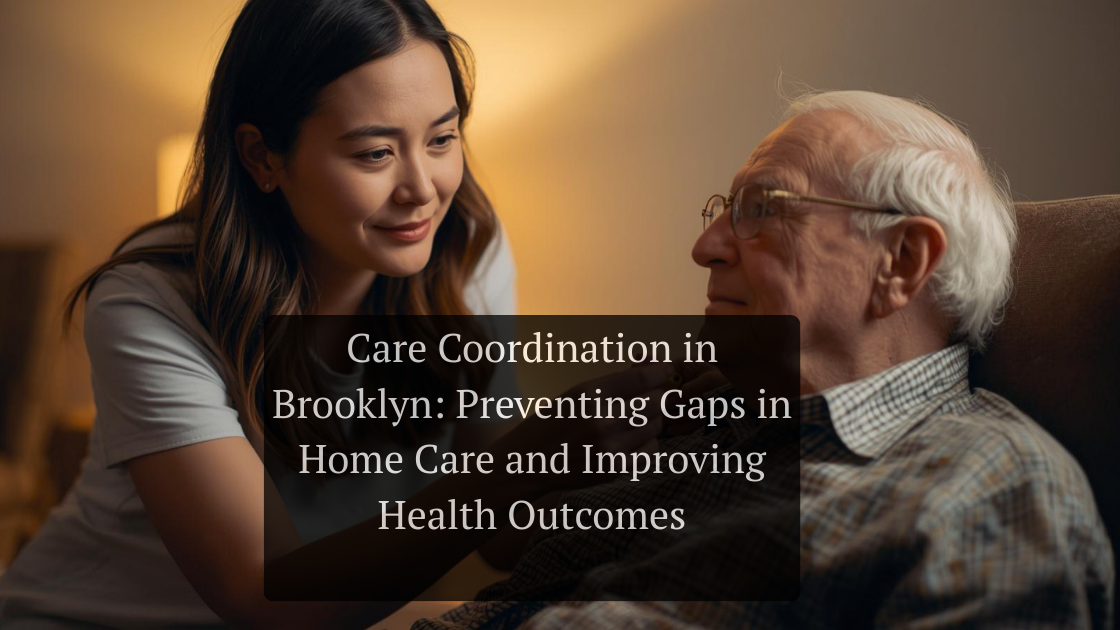
Coordinating home care in Brooklyn can feel like a bigger project than most families expect. Many clients have several people involved in their daily routine, whether it is a home attendant helping with personal needs, a nurse checking in about medical concerns, or different providers offering treatment plans. When information flows from several directions, it becomes harder to keep everything organized. This is usually when mistakes or gaps in home care start to appear.
Care coordination offers a practical way to manage all of these moving pieces. Instead of leaving each provider to figure things out on their own, a coordinator keeps track of the complete care plan and ensures everyone follows the exact instructions. It is not a dramatic approach, but it is reliable. And in a busy borough like Brooklyn, reliability matters.
BSHHA Home Health Care & Staffing Agency uses this system to help clients maintain smooth routines at home. The goal is simple: keep services aligned, keep information up to date, and make the daily flow of care easier for both clients and families.
1. Why Care Coordination Matters in Brooklyn
Brooklyn is full of good healthcare resources. There are major hospitals, community clinics, specialty practices, and home care programs scattered across the borough. The challenge is that each operates separately, so families often end up handling communication between them.
A coordinator steps into that role. This includes confirming schedules, reviewing instructions from medical providers, checking whether caregivers followed the care plan, and ensuring updates reach the right person. These tasks may seem small on their own, but they add up quickly. Without someone overseeing them, the care routine becomes chaotic.
BSHHA’s coordinators bring structure to this process. They help clients stay up to date on appointments, ensure caregivers know what is expected, and monitor anything that seems off. This type of oversight is beneficial for families trying to balance work, childcare, and other responsibilities along with home care.
2. How Care Coordination Helps Prevent Gaps in Home Care
Most gaps in home care do not appear suddenly. They creep in. Maybe a caregiver was delayed, or a provider changed a medication, but the new information never reached the home aide. Sometimes, a follow-up appointment is forgotten or a minor health change is not reported. Without coordination, these details slip through the cracks.
Care coordination reduces these risks by focusing on the complete care routine rather than treating each task separately.
A. Daily Check-ins and Oversight
Coordinators track caregiver schedules, visit times, and notes on the client’s condition. This helps them identify patterns early and take action when needed.
B. Updated Care Plans
A care plan only works when it reflects current needs. Coordinators update these plans regularly so caregivers have accurate instructions.
C. Support During Transitions
Returning home from the hospital or rehab can be confusing. Coordinators help arrange support, confirm service start dates, and communicate new instructions.
D. Clear Communication
Coordinators share updates with the right people. This keeps caregivers, nurses, and families on the same page.
E. Assistance for Family Members
Families often want more information but are unsure who to ask. A coordinator offers guidance and makes the process easier to manage.
By handling these areas, coordinators safeguard clients from avoidable issues that interrupt care.
3. How Coordinated Care Improves Health Outcomes
A coordinated care plan directly affects health stability. When information is accurate and routines are consistent, clients tend to experience fewer complications.
Benefits often include:
- Fewer medication-related errors
- Improved monitoring of chronic conditions
- Reduced hospital readmissions
- Smoother recovery from illness or surgery
- Faster response when something changes
- Better overall organization in daily routines
This level of consistency is essential for older adults or individuals who rely on multiple forms of support.
4. Coordination That Works Alongside Home Care Services
Another advantage of working with BSHHA is that coordination is integrated with the agency’s other services. Families do not have to juggle multiple providers because communication happens within a single system. This makes it easier for coordinators to track changes and share updates quickly.
BSHHA pairs care coordination with:
- Personal Home Care
- Home Attendant Services
- Skilled Nursing Care
- Home Health Aide Services
- Care Coordination
When all services follow the same care plan, the chance of miscommunication drops significantly.
5. Local Support Throughout Brooklyn
Coordinators and caregivers from BSHHA are familiar with Brooklyn’s layout, traffic patterns, and neighborhood resources. This local understanding enables them to manage schedules realistically and communicate with families straightforwardly. Many clients find it reassuring to work with a local agency that is easy to reach.
The agency’s location can be seen here:
BSHHA on Google Maps
Frequently Asked Questions
1. What does care coordination mean in home care?
It involves organizing the entire home care routine, ensuring information is accurate, and ensuring every provider follows the same plan.
2. How does coordination reduce gaps in care?
It reduces gaps by monitoring schedules, updating care plans, and making sure important information reaches caregivers and nurses.
3. Does coordinated care improve health outcomes?
Yes. Clients often experience fewer complications and safer routines when care is consistent and communication is reliable.
4. Does BSHHA offer coordinated home care in Brooklyn?
Yes. BSHHA provides care coordination along with home attendants, home health aides, personal care assistants, and skilled nursing.
Conclusion
Care coordination in Brooklyn plays a key role in maintaining home care stability and organization. By monitoring services, updating care plans, and supporting communication, BSHHA Home Health Care & Staffing Agency helps clients avoid gaps and maintain safer daily routines.