
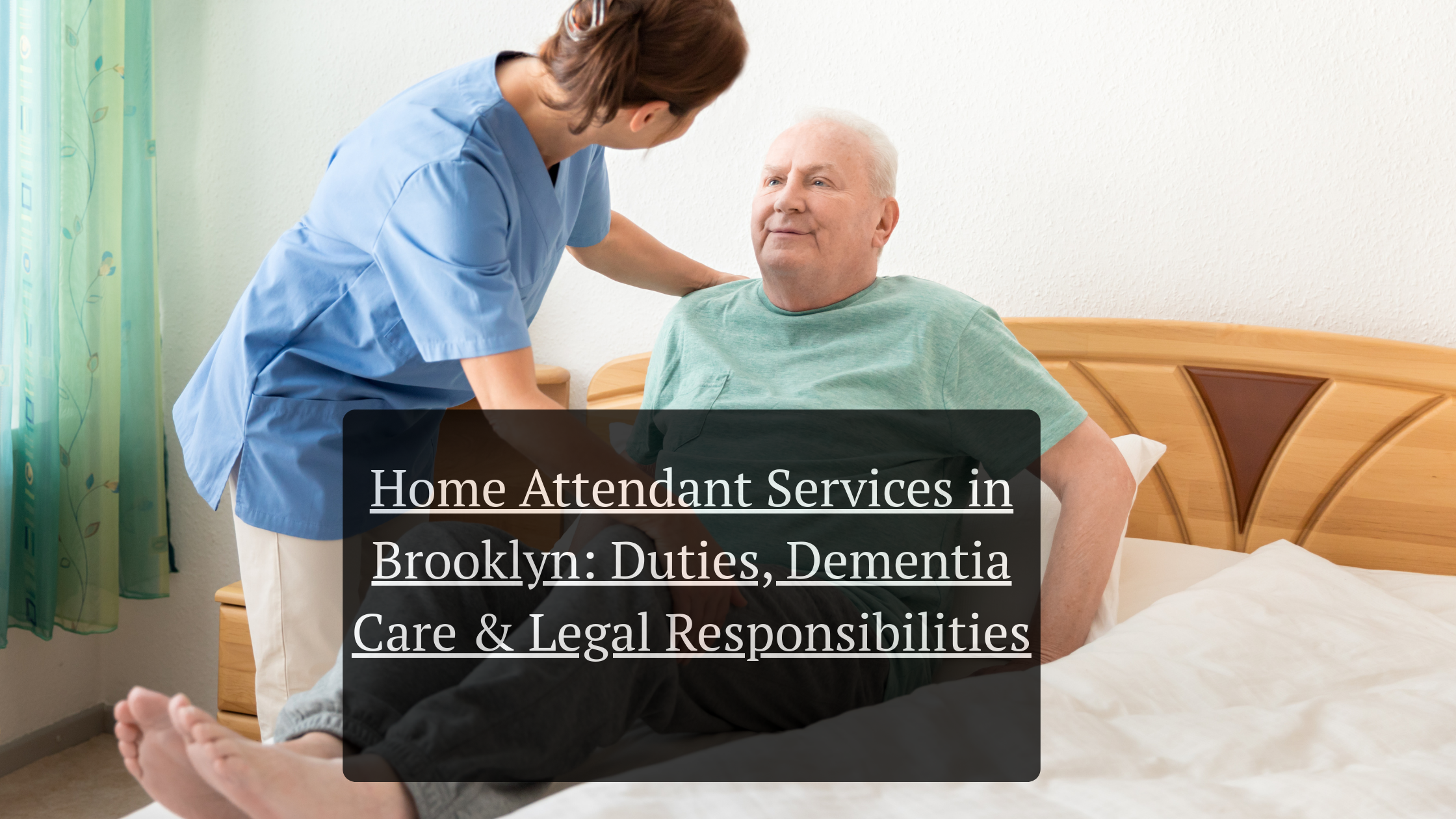
Choosing in-home care works best when every role, limit, and service option is clear. Home attendant services in Brooklyn focus on daily living support without medical treatment, helping individuals remain safe at home while following New York regulations. This guide connects duties, dementia support, legal boundaries, and local care options into one continuous care narrative.
Where Home Attendant Services Fit Into Brooklyn Home Care
Home attendant services often become the first level of professional support families use when daily routines start feeling difficult. They sit between independent living and medical home care, offering practical help without crossing into treatment.
This foundation sets the stage for understanding duties, care limits, and how these services connect to other BSHHA offerings discussed later.
- Daily living assistance: Support focuses on personal care and household tasks that help individuals function safely at home.
- Home-based care setting: Services are delivered inside private residences across Brooklyn and Kings County.
- Regulated non-medical role: Care is provided in accordance with New York State guidelines to ensure compliance and safety.
Why Home Attendant Services Matter for Brooklyn Households
Many care needs appear gradually, long before medical care is required. Home attendant services help manage these changes early, preventing unnecessary escalation and reducing stress within the household.
- Routine continuity: Consistent daily support helps individuals maintain familiar schedules.
- Caregiver balance: Families receive help while remaining actively involved.
- City living adaptation: Services align well with apartments, shared homes, and busy urban routines.
Common Challenges Families Face When Choosing Home Attendant Care
Care planning often becomes confusing when expectations are unclear. Families may assume specific tasks are permitted or misunderstand how dementia support works in non-medical care.
Recognizing these challenges helps clarify why structured care processes and legal limits are essential.
- Task expectation gaps: Non-medical services are sometimes confused with clinical care.
- Dementia care misconceptions: Supervision is mistaken for medical management.
- Regulatory misunderstandings: Restricted tasks can disrupt services if assigned incorrectly.
- Service-level mismatch: Choosing the wrong care option delays timely support.
How Home Attendant Services Are Organized From Day One
Home attendant care follows a clear structure that ensures consistent, compliant services. Each step builds on the previous one to support safe, long-term care at home.
- Initial care assessment: Daily living needs are reviewed to confirm non-medical eligibility.
- Approved task planning: Allowed duties are outlined under New York regulations.
- Caregiver assignment: A trained home attendant is matched to household needs.
- Routine development: Schedules, safety measures, and communication plans are established.
- Ongoing service review: Care is adjusted as routines or needs change.
Comparing Home Attendant Services With Other In-Home Care Options
Understanding how different care services compare helps families avoid gaps and ensure compliance. Each care level serves a specific purpose within the home care system.
This comparison also highlights when to explore additional BSHHA services.
- Home attendant services: Provide personal care, light housekeeping, and supervision only.
- Home health aide services: Offer limited medical-related support under licensed supervision.
- Skilled nursing care: Deliver clinical treatment and medical monitoring at home.
Families in need of medical assistance can explore Home Health Aide Services in Brooklyn. This service supports individuals whose needs extend beyond non-medical care while they remain at home.
Cost Factors That Shape Home Attendant Services in Brooklyn
Care costs vary based on structure, eligibility, and local factors. Understanding these elements early helps families plan responsibly. These cost considerations naturally connect to service selection and care coordination decisions.
- Care schedule length: Part-time, full-time, or live-in care affects pricing.
- Medicaid eligibility: Approved programs may reduce out-of-pocket expenses.
- Local workforce conditions: Brooklyn labor demand influences service rates.
- Supervision needs: Dementia-related care may require more structured coverage.
Planning Tools and Documentation That Support Consistent Care
Effective home attendant care depends on precise planning and documentation. These tools help align daily routines with safety and communication. They also support smoother transitions if care needs change.
- Written care plans: Define approved duties and daily expectations.
- Home safety checklists: Identify and reduce common household risks.
- Emergency contact records: Ensure a fast response when issues arise.
- Dementia routine guides: Support consistency and reduce confusion.
Legal Task Limits That Guide Home Attendant Services in New York
New York regulations clearly define what home attendants can and cannot do. These boundaries protect both clients and caregivers. Understanding these limits helps families avoid service interruptions.
- Allowed personal care: Bathing, dressing, grooming, and hygiene assistance.
- Household task support: Meal preparation and light housekeeping only.
- Supervision responsibilities: Safety monitoring and routine reminders.
- Restricted medical tasks: Medication administration and treatment are not permitted.
Dementia Support Within the Scope of Home Attendant Care
Dementia care often requires structure rather than treatment. Home attendants focus on daily routines while appropriately escalating medical concerns. This approach works best when connected with coordinated services.
- Routine consistency: Predictable schedules help reduce agitation.
- Safety oversight: Monitoring minimizes wandering and household hazards.
- Personal task assistance: Support with hygiene and daily activities.
- Medical escalation: Health changes are referred to licensed providers.
Families managing long-term needs may also review Personal Home Care Services. This service supports broader daily living needs at home.
Real-Life Home Attendant Care Scenarios Across Brooklyn
Seeing how services work in everyday settings helps families visualize care. Brooklyn homes often present unique space and coordination needs. These scenarios reflect real household situations.
- Apartment environments: Attendants assist with daily tasks without medical involvement.
- Cognitive decline households: Supervision and structure remain the primary focus.
- Family-supported care: Services complement, rather than replace, family involvement.
Best Practices That Keep Home Attendant Care Effective
Strong care outcomes rely on communication, documentation, and review. These practices tie together every part of the care journey. They also reduce stress for families and caregivers.
- Clear task documentation: Prevents misunderstandings and role confusion.
- Regular service reviews: Keep care aligned with changing needs.
- Care coordination planning: Supports smooth transitions if medical care becomes necessary.
- Early issue reporting: Reduces emergencies and service gaps.
Home Attendant Services Available in Brooklyn and Kings County
Local regulations and service access shape how care is delivered. Brooklyn families benefit from services aligned with New York standards. This local focus connects compliance, availability, and coordination.
- State oversight: Services follow New York State Department of Health requirements.
- Brooklyn-wide coverage: Care is available across multiple neighborhoods.
- Program coordination: Medicaid and coordinated care services may apply.
- Service integration: Aligns with other in-home care options.
Families in need of support coordination can explore Care Coordination Services. This service helps align home attendant care with evolving needs. Service coverage details are available at BSHHA Service Areas. Verified local reference: BSHHA Brooklyn Location
Frequently Asked Questions
Families often have practical questions before starting care. The answers below address common concerns and connect directly to relevant services and resources.
What does a home attendant legally do in New York?
A home attendant provides non-medical support, including personal care, meal preparation, and supervision. They do not perform medical or clinical tasks. Families needing medical care at home can explore Skilled Nursing Care in Brooklyn. This service supports clinical needs under the supervision of licensed professionals.
Can home attendants help individuals with dementia?
Yes, home attendants support dementia care through routines, supervision, and daily assistance. They do not diagnose or treat medical conditions. Long-term daily support options are available through Personal Home Care Services, which focus on sustained in-home assistance.
How is a home attendant different from a home health aide?
Home attendants focus strictly on non-medical care. Home health aides may assist with limited medical-related tasks under supervision. Choosing the correct service prevents care gaps and compliance issues.
Are home attendant services available throughout Brooklyn?
Yes, services are available throughout Brooklyn, subject to eligibility and program guidelines. Availability may vary by neighborhood. An assessment helps confirm the best course of care.
Get Personalized Home Attendant Support From BSHHA Home Health Care & Staffing Agency
When daily responsibilities become overwhelming, the proper support can restore balance and confidence. Home attendant services help maintain routines, improve safety, and reduce caregiver strain without disrupting daily life.
BSHHA Home Health Care & Staffing Agency supports families across Brooklyn and Kings County with home attendant services designed around real schedules, evolving needs, and New York care standards.
📍 992 Gates Ave, 2nd Floor, Brooklyn, NY 11221
📞 Call 718-453-8400 to discuss home attendant services
✉️ Email: info@bshha.org
🌐 Explore Personal Home Care Services
Taking the next step means building a care plan that supports both independence and long-term stability.