
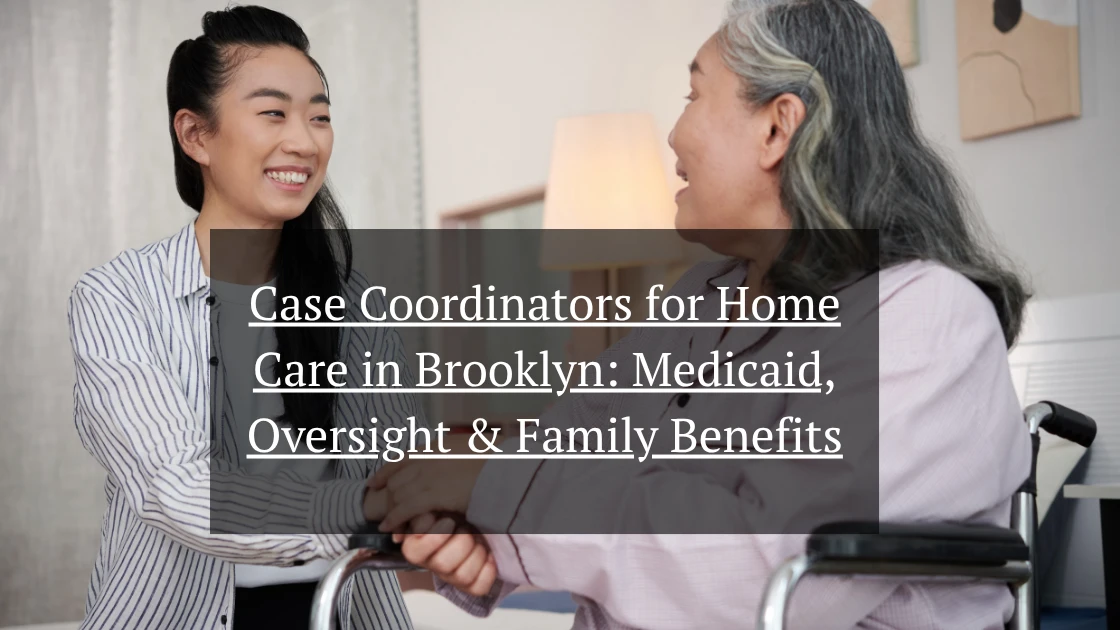
Case Coordinators help individuals navigate Medicaid home care services, coordinate care hours, and monitor ongoing support needs. In Brooklyn, NY, they often work through Managed Long-Term Care (MLTC) plans and other care programs to help ensure services are properly organized, supervised, and aligned with an individual’s care plan.
Managing home care services can become complex when multiple caregivers, healthcare providers, and support programs are involved. Families often rely on Case Coordinators to help organize care, monitor service delivery, and ensure their loved one’s needs continue to be met as circumstances change.
At BSHHA, we help families throughout Brooklyn, NY, access professional Care Coordination services that support quality care, effective communication, and peace of mind. This guide explains how Case Coordinators support home care services, assist with Medicaid-related programs, and help families navigate the care process with confidence.
How Case Coordinators Support Medicaid Home Care Services in Brooklyn
Navigating Medicaid home care services can be challenging, especially when managing eligibility requirements, care plans, and ongoing service needs. Through Care Coordination and Home Health Aide Services, Case Coordinators help individuals and families throughout Brooklyn, NY, access the support needed to remain safe, comfortable, and independent at home.
Case Coordinators support Medicaid home care by:
- Developing Personalized Care Plans: Conducting assessments to determine care needs and the level of assistance required with daily activities.
- Navigating Medicaid and MLTC Programs: Helping individuals manage Medicaid enrollment, recertifications, and authorized home care services.
- Connecting Clients to Community Resources: Coordinating access to transportation, meal programs, medical equipment, and other local support services.
- Monitoring Care and Advocating for Clients: Reviewing care needs, addressing changes in health conditions, and helping secure appropriate services when additional support is needed.
- Supporting Safe Hospital-to-Home Transitions: Coordinating services, caregivers, and care plans after hospital stays to promote a smooth recovery at home.
At BSHHA, our Care Coordination and Personal Home Care services work together to help Brooklyn families navigate Medicaid home care programs while ensuring loved ones receive consistent, high-quality support tailored to their evolving needs.
Key Benefits of Care Coordination for Families
Managing home care can involve coordinating multiple providers, appointments, services, and support programs. Care Coordination helps simplify the process by creating a central point of communication and ensuring everyone involved in a loved one’s care works toward the same goals.
- Reduced Caregiver Stress: Helps families spend less time managing schedules, paperwork, and provider communication.
- Better Care Oversight: Improves coordination between caregivers, healthcare providers, and support services to promote consistent care.
- Fewer Gaps in Care: Helps reduce miscommunication, duplicated services, and unnecessary delays in treatment or support.
- Access to Valuable Resources: Connects families with community programs, financial assistance resources, transportation services, and other support options.
- Greater Family Confidence: Provides guidance, education, and ongoing support to help families make informed care decisions.
Looking for guidance on home care, Medicaid programs, and caregiver support in Brooklyn? Follow BSHHA on Facebook, Instagram, and LinkedIn for expert insights, local resources, and helpful information designed to support families navigating long-term care decisions.
Role of a Care Coordinator in Home Care
A Care Coordinator helps individuals and families navigate long-term home care services while ensuring care plans continue to meet changing needs. In many cases, Care Coordinators are Registered Nurses (RNs) or Licensed Social Workers (LSWs) who oversee care management and coordinate services such as Personal Home Care, Skilled Nursing Care, and Home Attendant Services.
A Care Coordinator May Help With:
- Care Assessments: Monitor health changes and help determine whether additional support, including Home Health Aide Services or Personal Home Care, may be beneficial.
- Resource Coordination: Connect families with healthcare providers, medical equipment suppliers, therapy services, social programs, and other community resources.
- Care Plan Oversight: Help ensure services, including Skilled Nursing Care and daily assistance programs, align with the individual’s needs and long-term care goals.
- Family Guidance: Facilitate communication between healthcare professionals, caregivers, and family members while providing education and support.
- Ongoing Monitoring: Review care plans regularly, track changing needs, and recommend service adjustments to help maintain safety and quality of care.
Through effective Care Coordination, families can gain greater confidence that their loved ones are receiving the appropriate level of support while remaining safe and comfortable at home.
Accessing Medicaid Home Care Services in Brooklyn
Many Brooklyn residents use Medicaid-funded home care services to receive support while remaining safely at home. Depending on eligibility, services may include Home Health Aide Services, Personal Home Care, and other long-term care supports.
Common Steps for Accessing Medicaid Home Care:
Complete a Clinical Assessment
- Request an evaluation through the New York Independent Assessor Program (NYIAP).
- The assessment helps determine eligibility for long-term care services.
Choose a Managed Long-Term Care (MLTC) Plan
- Eligible individuals select an MLTC plan that administers their home care services.
- Plan options may vary based on location and individual needs.
Receive Care Coordination Support
- After enrollment, a dedicated Care Coordinator helps develop and manage a personalized care plan.
- Services are reviewed regularly to ensure appropriate support is being provided.
Signs You May Benefit From a Case Coordinator
Managing home care can become increasingly challenging when multiple providers, services, and care needs are involved. A Case Coordinator can help simplify the process by serving as a central point of contact and ensuring care remains organized, effective, and aligned with your loved one’s needs.
- You’re Managing Multiple Care Providers: Coordinating between physicians, specialists, caregivers, and home care services has become difficult or confusing.
- Paperwork and Program Requirements Feel Overwhelming: Medicaid applications, insurance documents, care authorizations, or service renewals are becoming difficult to manage.
- Accessing Community Resources Is Taking Too Much Time: You’re struggling to find available programs, transportation services, medical equipment, or other local support resources.
- Care Needs Are Frequently Changing: A loved one’s health condition, mobility, or support requirements require regular updates to their care plan.
- Family Caregiver Stress Is Increasing: Managing appointments, services, and communication is creating ongoing stress or burnout for family members.
At BSHHA, our Care Coordination Services help families throughout Brooklyn, NY navigate complex care decisions while ensuring loved ones receive the appropriate support, resources, and oversight needed to remain safe and comfortable at home.
Program Oversight and Family Advocacy Resources
Families often need additional support when navigating long-term care services. Several programs and advocacy resources are available to help address concerns related to care plans, service hours, and home care coordination.
Helpful Advocacy Resources May Include:
- MLTC Member Services: Assistance with service questions, care concerns, and plan-related issues.
- Independent Consumer Advocacy Network (ICAN): Provides guidance for individuals receiving long-term care services through Medicaid-managed care programs.
- New York State Department of Health Resources: Information on home care programs, consumer rights, and complaint procedures.
- Health Home Programs: May provide additional care management support for individuals with complex medical or chronic health conditions.
Why Brooklyn Families Choose BSHHA
Finding the right home care provider can feel overwhelming, but having the right support can make all the difference. At BSHHA, we provide Care Coordination, Home Health Aide Services, Personal Home Care, Home Attendant Services, and Skilled Nursing Care designed to help individuals remain safe, comfortable, and independent at home. We proudly support families throughout Brooklyn, NY, and Queens, NY, delivering personalized care that adapts to each client’s unique needs.
If you’re exploring home care options for a loved one, call 718-453-8400 to speak with our team. We’ll answer your questions, discuss your family’s needs, and help you determine the most appropriate level of care and support. You can also visit our Google Business Profile to learn why families throughout Brooklyn, NY trust BSHHA for compassionate, dependable home care services.
Frequently Asked Questions
Q. How do Case Coordinators help with Medicaid home care?
Case Coordinators help individuals navigate Medicaid home care programs, coordinate assessments, manage paperwork, and ensure approved services continue to meet changing care needs.
Q. Can family members get paid to provide care in New York?
In some situations, yes. Through New York’s Consumer Directed Personal Assistance Program (CDPAP), eligible individuals may choose certain family members or friends as paid caregivers, subject to program requirements.
Q. What does a Case Coordinator do?
A Case Coordinator develops care plans, coordinates services, monitors ongoing needs, and serves as a central point of communication between families, caregivers, and healthcare providers.
Q. Who provides Care Coordination services?
Care Coordination may be provided through home care agencies, Managed Long-Term Care (MLTC) plans, healthcare organizations, and other approved care management programs.
Q. When should someone work with a Case Coordinator?
A Case Coordinator may be beneficial when managing multiple providers, navigating Medicaid services, coordinating home care, or dealing with changing health needs.
Q. How often are care plans reviewed?
Care plans are reviewed regularly and may be updated whenever an individual’s health condition, support needs, or living situation changes.